
Table of Contents
There are some pretty cool perks to working with the same company for 22 years. For one, you build relationships that go well beyond simply ordering products. You get to know the people behind the company, understand what they're working on, and occasionally hear about something exciting before the rest of the world does. That's exactly what happened when I learned about Pella's new Vista window line.
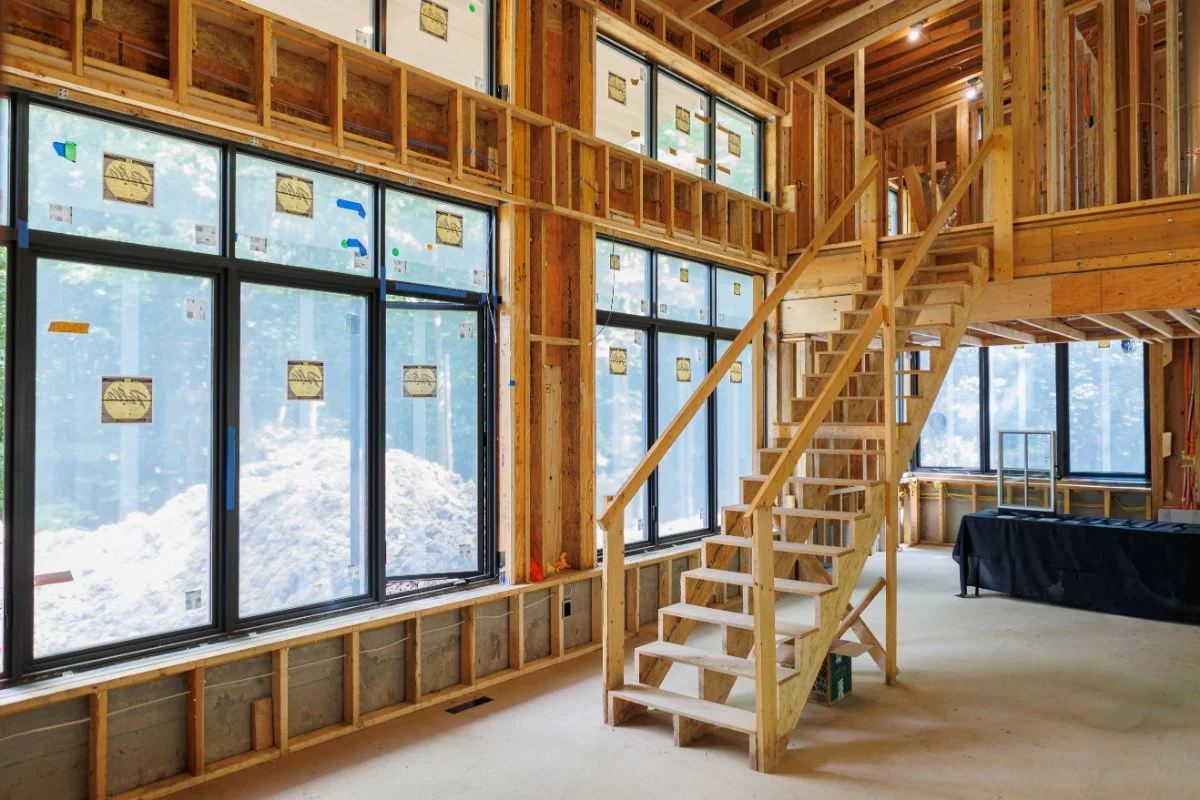
When I heard they were developing an all-aluminum, triple-pane window designed for contemporary architecture, I immediately thought of one of our projects: the Reed Project. We were actually getting ready to order a different line of Pella windows for the home. But the more I learned about Vista, the more I realized it could be the perfect fit.
So we made a phone call. And that phone call eventually led to us becoming the first builder in the country to install the new Pella Vista windows. Pretty cool, right?
Why We Chose Pella Vista Windows for the Reed Project
The Reed Project is a really unique home. I like to say that if Robin Hood lived in the 21st century, this would be his house. It's a contemporary home nestled into the woods, surrounded by trees. When you look out the windows, you're not looking at neighboring houses or busy streets. You're looking straight into the forest. And because the setting is such an important part of the home's design, we needed windows that would complement the architecture without distracting from the views.
We were working with Christopher Strom Architects, including Christopher Strom, Eric Johnson, and Rachel Alexander, and they were immediately excited about the possibility of incorporating Vista into the project. The clean lines and contemporary look were perfect, but beyond the appearance, the window also offered some important practical benefits for the homeowners.
Learn more about our relationship with Christopher Strom Architects here!
What Makes Pella Vista Windows Different?
Pella has been making high-quality windows and doors for a long time. And over the years, we've used their products in all kinds of custom homes. Historically, much of our work with Pella has involved their wood window offerings, which are beautiful and incredibly well-suited for many of the homes we build. But Vista represents something different.
It's an all-aluminum window designed with the clean, crisp lines that contemporary architecture often calls for.Architects love the ability to create those sharp, 90-degree edges. Aluminum lends itself to a really streamlined appearance that works beautifully with modern homes.
And then there's the performance side. The Vista windows we're using at the Reed Project feature triple-pane glass and thermally broken aluminum construction. Triple-pane glass can improve thermal performance and help reduce the risk of interior condensation during Minnesota's cold winters. A thermal break also helps limit heat transfer through the aluminum frame, which is particularly important in our climate.
Aluminum has some practical advantages, too. Unlike wood, it doesn't rot, and it doesn't require the same kind of painting or refinishing. For homeowners looking for contemporary design with durable, low-maintenance materials, that's a pretty appealing combination.
Why Window Performance Matters in Minnesota
We build homes in a climate that can be pretty unforgiving. Between our cold winters, humid summers, and significant temperature swings, windows have to do a lot more than look good. They play an important role in a home's comfort, energy efficiency, and overall performance. And on a project like Reed, those considerations become even more important.
The homeowners may be away for months at a time, leaving the home unoccupied for extended periods. That means we're thinking carefully about materials and systems that can perform reliably with minimal maintenance. The combination of triple-pane glass and thermally broken aluminum made Vista a compelling option for this particular home.
We wanted the homeowners to feel confident that the materials we selected would continue performing well through Minnesota's changing seasons, whether they were home enjoying the forest views or traveling somewhere a whole lot warmer.
How Did We Become the First Builder to Install Pella Vista?
When we first learned about the new window line, we were already pretty far along in the selection process for the Reed Project. We were getting ready to order another Pella product. But after talking with the architects and realizing how well Vista aligned with the home's design, we decided to approach Pella about getting early access.
Essentially, we asked whether we could be the first project in the country to install it. And they said yes. Now, being first is mostly bragging rights. But it is pretty exciting to be part of something like this, especially when you consider how many builders are working across the country.
More importantly, it speaks to the relationships we've built over the years. We've worked exclusively with Pella for 22 years. That kind of long-term partnership creates opportunities to collaborate, share ideas, and bring innovative products into our projects. And in this case, it gave us the chance to introduce something new to the industry while creating a home that was a great fit for the product.
Check out a full video of the event!
Inside the Pella Vista Debut Event
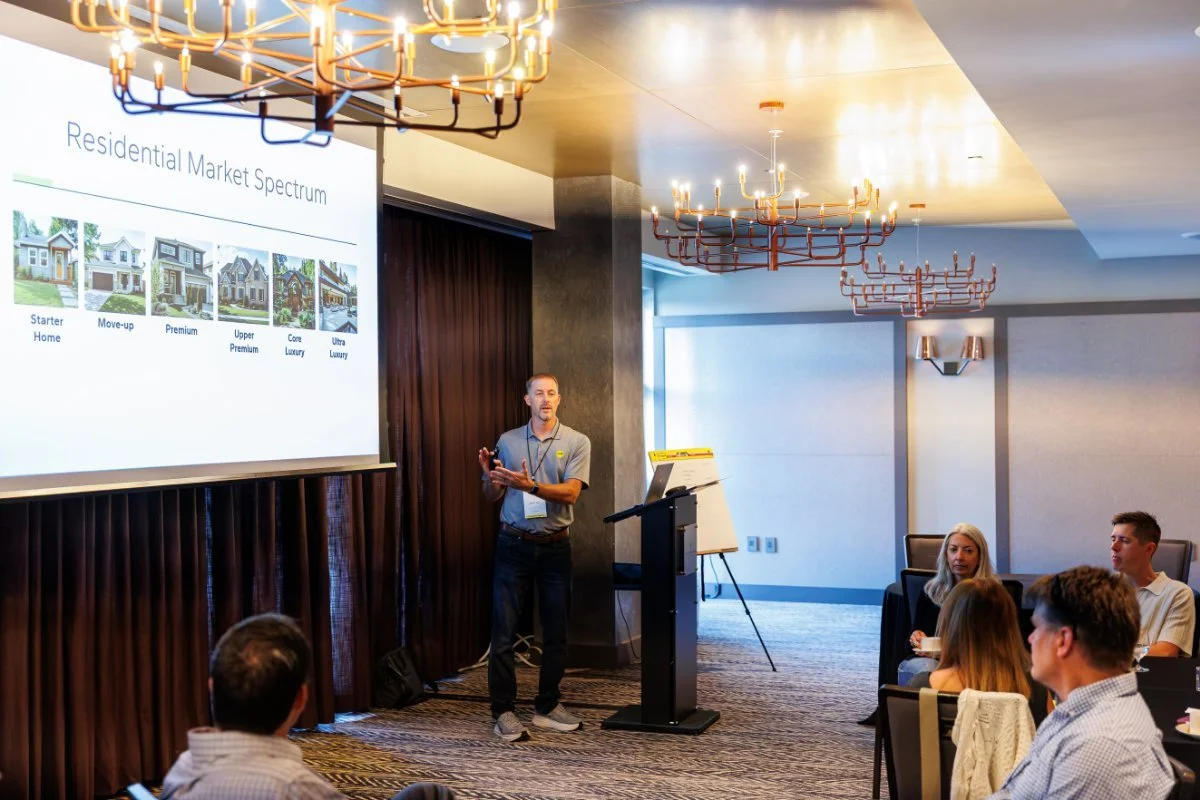
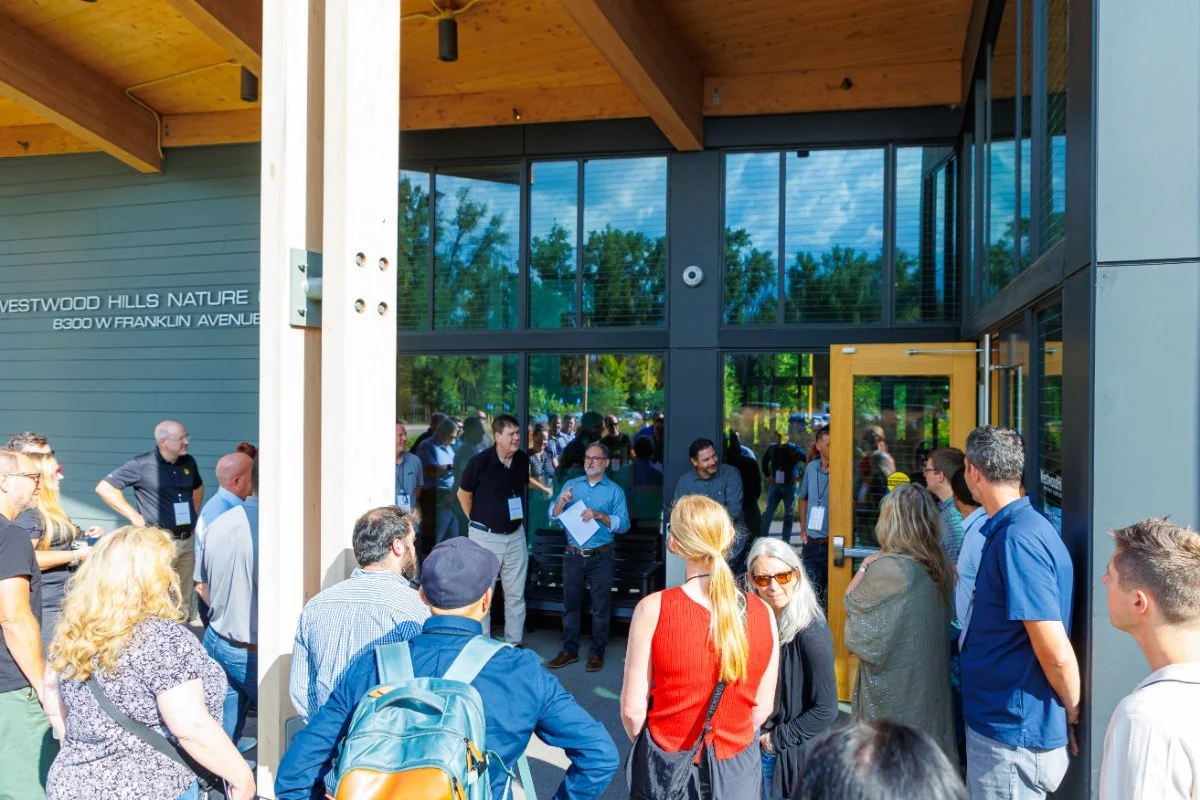
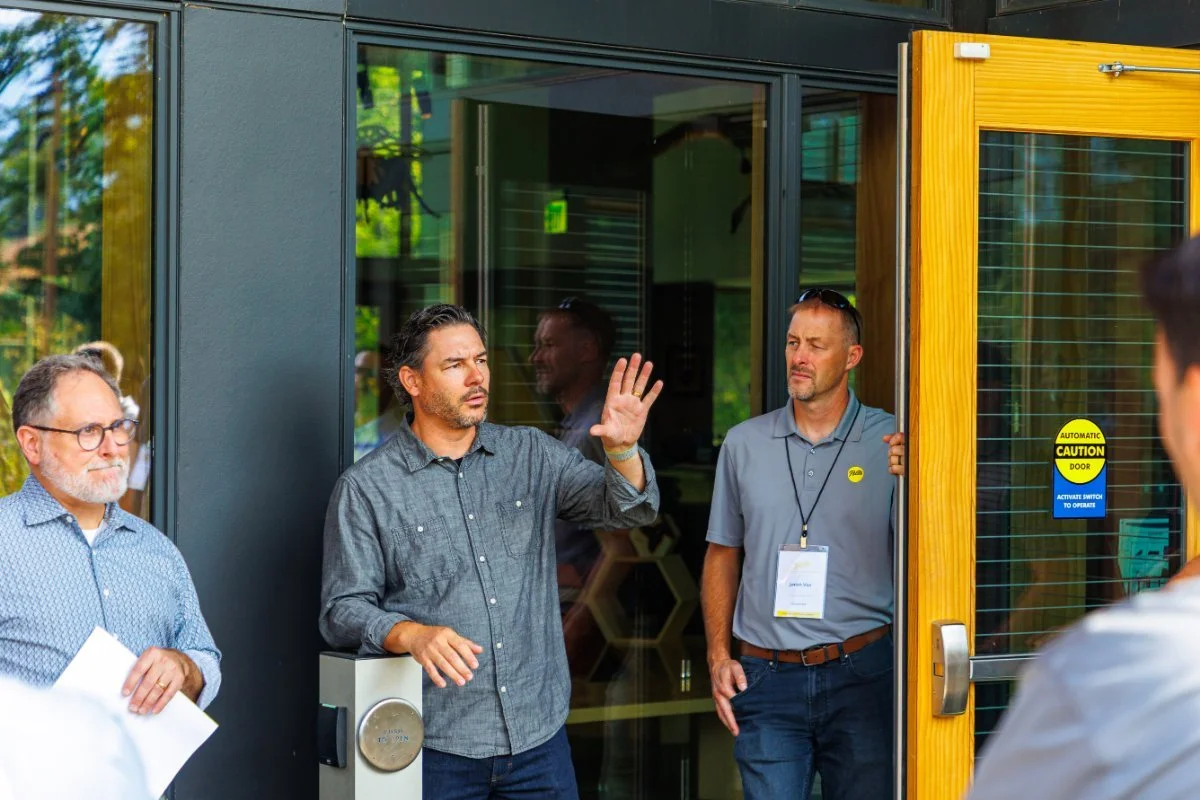
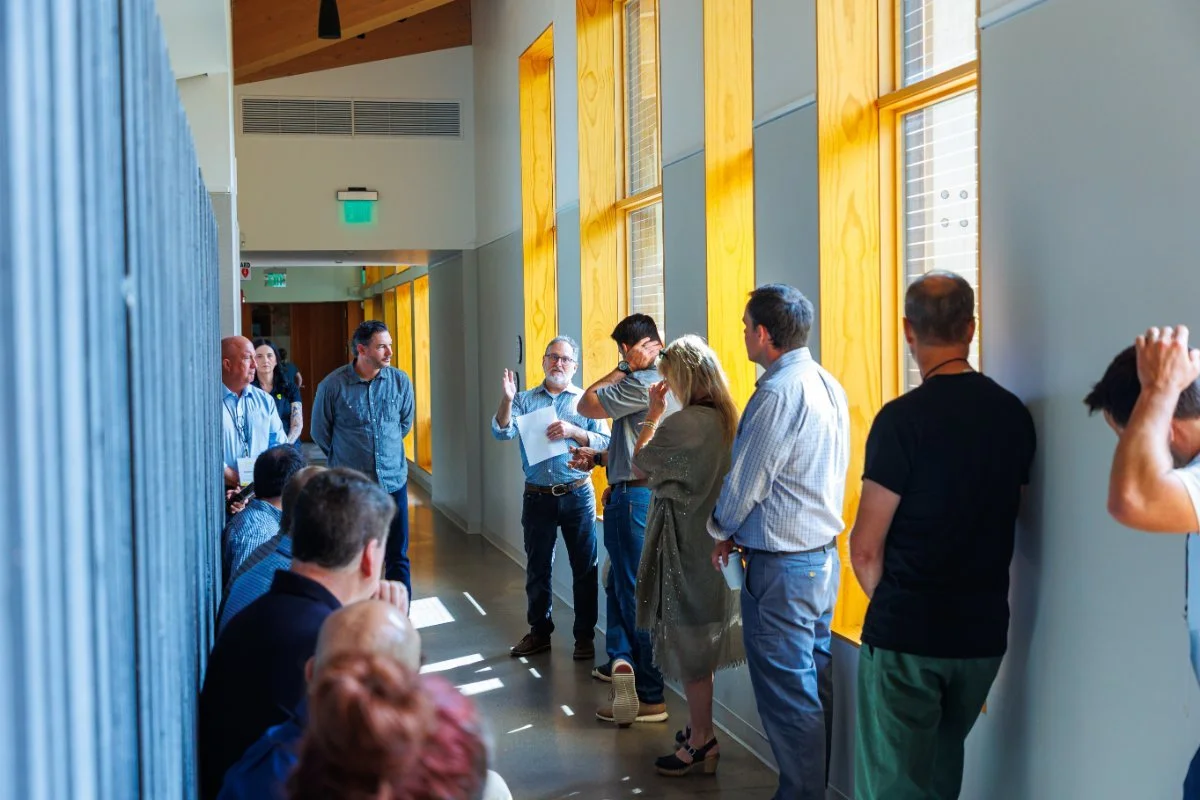
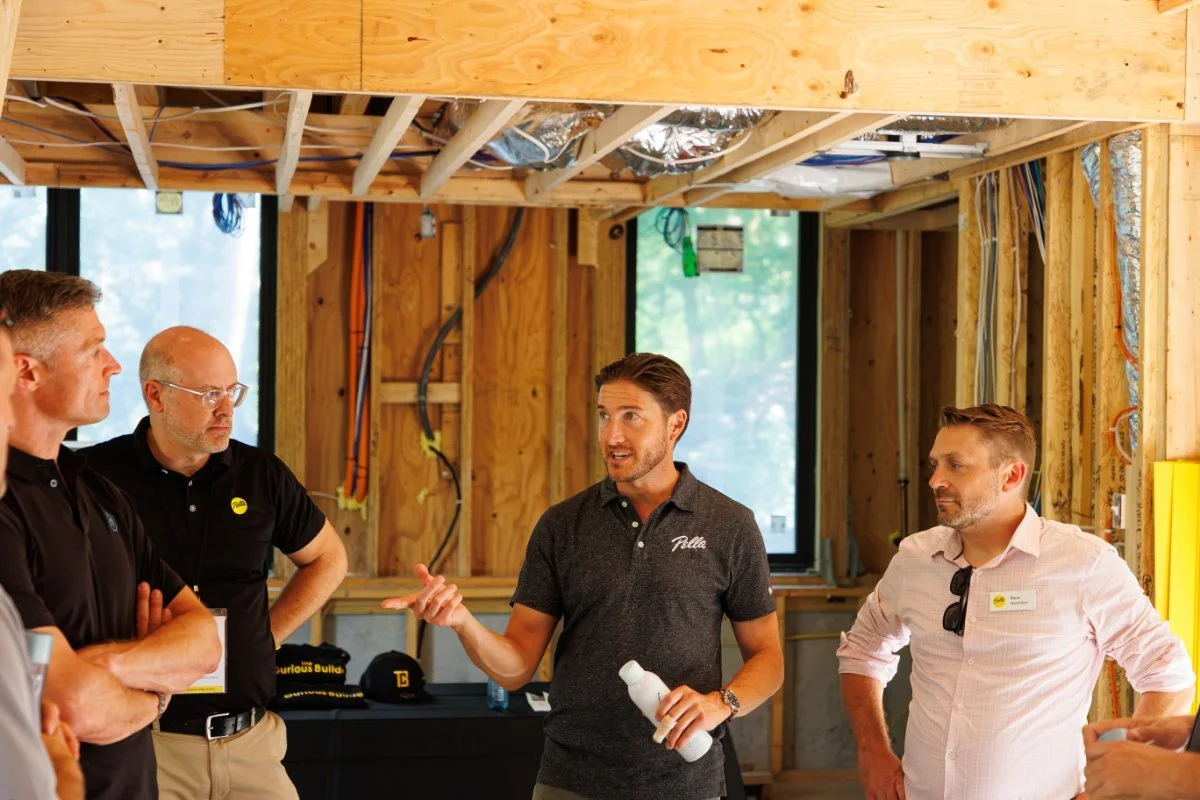
In September, we had the opportunity to celebrate the new window line with a pretty incredible group of people at the Reed Project. Working alongside Pella Northland and Pella Corporate, we helped organize an event that brought Pella representatives, executives, branch owners, and architects together from around the country.
We had dozens of people on-site, including members of Pella's corporate team from Iowa and branch owners who had traveled in to see the windows firsthand. And that level of excitement was one of the coolest parts.
It’s no small feat to get that many people to travel across the country for a single project, but it was clear that Pella was excited about this product and what it could mean for the future of contemporary home design. For us, it was a chance to celebrate not just a new product, but the collaboration that made the entire project possible.
What Does Pella Vista Mean for Future Custom Homes?
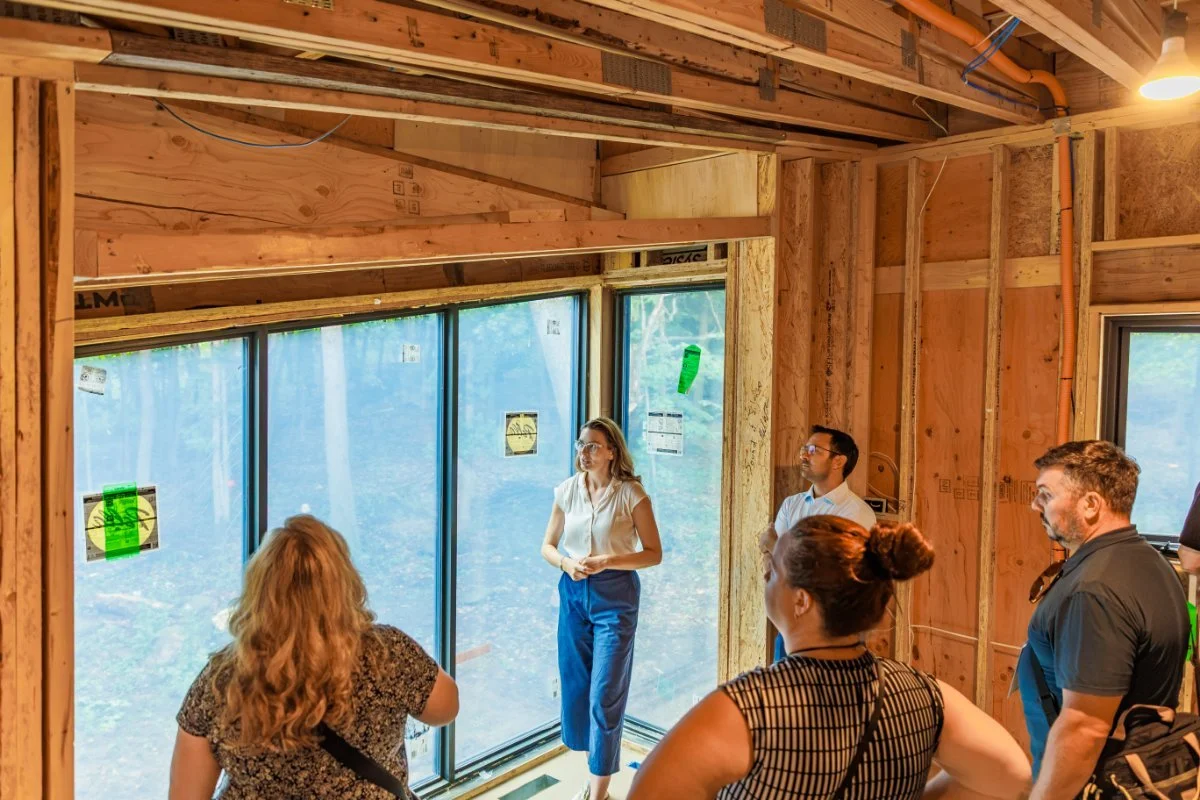
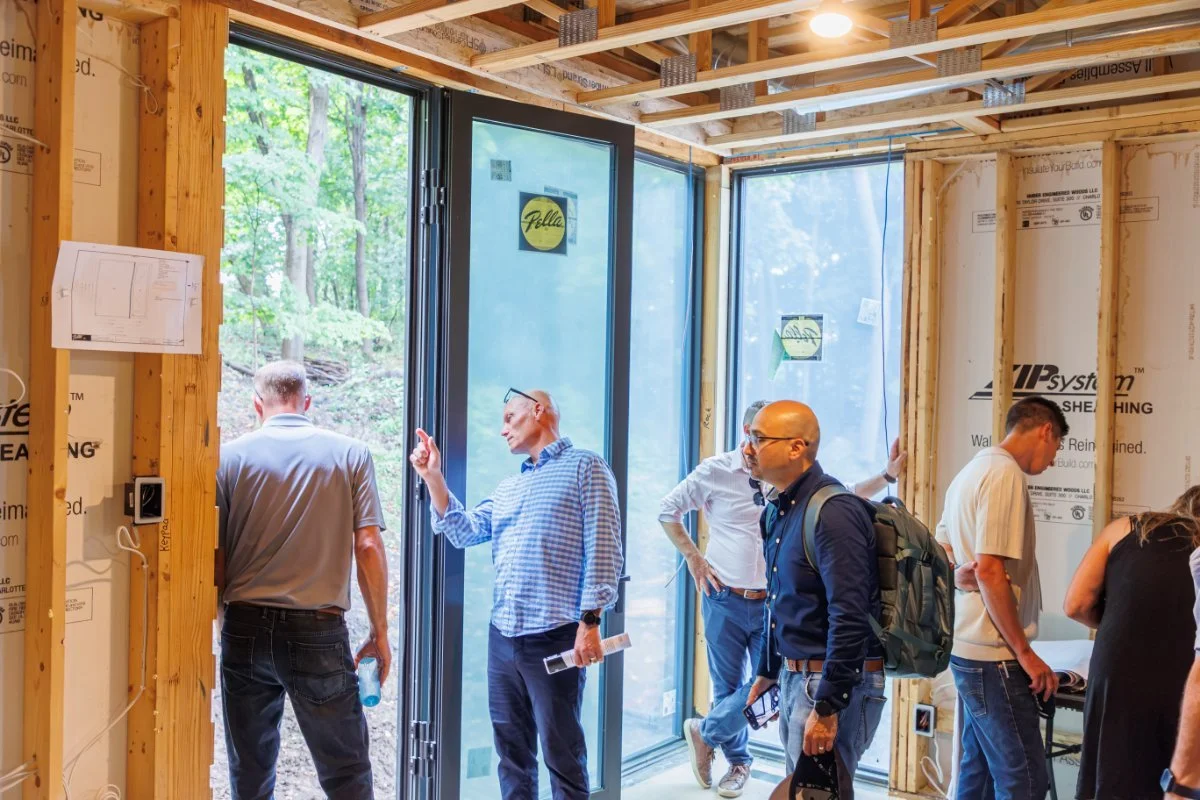
I think Vista is going to be a really interesting option for architects and builders working on modern and contemporary homes. We're already seeing interest from other architects, and we've been bringing people through the Reed Project to see the windows installed. That's important because there's only so much you can learn about a product from a brochure.
Seeing how it looks and feels in an actual home, especially one with such a distinctive architectural style, gives people a much better understanding of what's possible. And for Pella, I think this is an exciting addition to an already impressive product lineup.
They've done some incredible work with their wood windows and doors, and their continued innovation gives architects and builders more ways to find the right solution for each project. Now, with an all-aluminum option designed around contemporary architecture, there's another opportunity to match the window to the home rather than trying to make the home fit the window. That's exactly the kind of flexibility we want when we're building something custom.
Great Custom Homes Start With Great Partnerships
If there's one thing this experience reinforced for me, it's how much relationships matter in our industry. We couldn't have made this happen without the enthusiasm and collaboration of Christopher Strom Architects, Pella Northland, and Pella Corporate. And we certainly wouldn't have had the opportunity without the trust and partnership we've developed with Pella over more than two decades.
Being the first builder in the country to install Vista is pretty cool, but what I'm most excited about is how well the windows fit the Reed Project and the home we're creating for our clients. Because at the end of the day, that's what matters. We choose products because they make sense for the architecture, the homeowners, and the way the home is meant to perform. And when the right people and the right products come together, you can create something pretty special.