
Table of Contents
What if you designed a house around how you wanted people to feel? That was really the question behind Mysa Hus.
And as we started working through what that actually meant, we realized wellness home design is about a whole lot more than putting a sauna in the backyard or a gym in the basement. It's about the air you breathe, the water you drink, the sounds you hear, the light coming through the windows, and the way a home brings people together. Mysa Hus became our opportunity to explore all of it.
How Did the Vision for Mysa Hus Come Together?
I hadn't built a spec home in 16 years. The last one was in 2008, right before the market crashed. So when a lot in Cottagewood came back around to me, I knew I didn't want to build a safe, nondescript house that tried to appeal to everybody. I've always said, if you build a house for everybody, you build a house for nobody.
But without a client telling us what they wanted, we needed something else to guide the decisions. I sat down with Mollie Windmiller from LAB Minneapolis, and she asked me what I wanted the house to feel like. I described sitting inside on a cold winter morning, snow falling outside, a hot drink in my hand, a wool blanket, a good book, and just complete quiet.
That's when the term Mysa came into the picture. It's a Swedish word for cozy, and it captured exactly what we were trying to create. We brought together Karl Adalbert of KA Design and Melissa Oholendt and Kate Sikorsky of Oho Interiors, and started designing a house around that feeling.
Interestingly, wellness wasn't even our original direction. We started by exploring energy efficiency, solar, geothermal, all those things. But after looking at what my clients had actually been asking for over the last 21 years, I realized that wasn't quite the story.
Then the phrase dwell well came out of a branding conversation, and that was it. Wellness became the filter for every decision we made.
What Actually Makes a Home a Wellness Home?
I think a lot of people hear "wellness home" and immediately picture a cold plunge or a workout room. And sure, Mysa Hus has those things. But the bigger question is whether the home itself supports the health and well-being of the people living there. For us, that meant focusing on six things: sound, air, water, light, movement, and emotional connection.
How Do You Make a Home Feel Quieter?
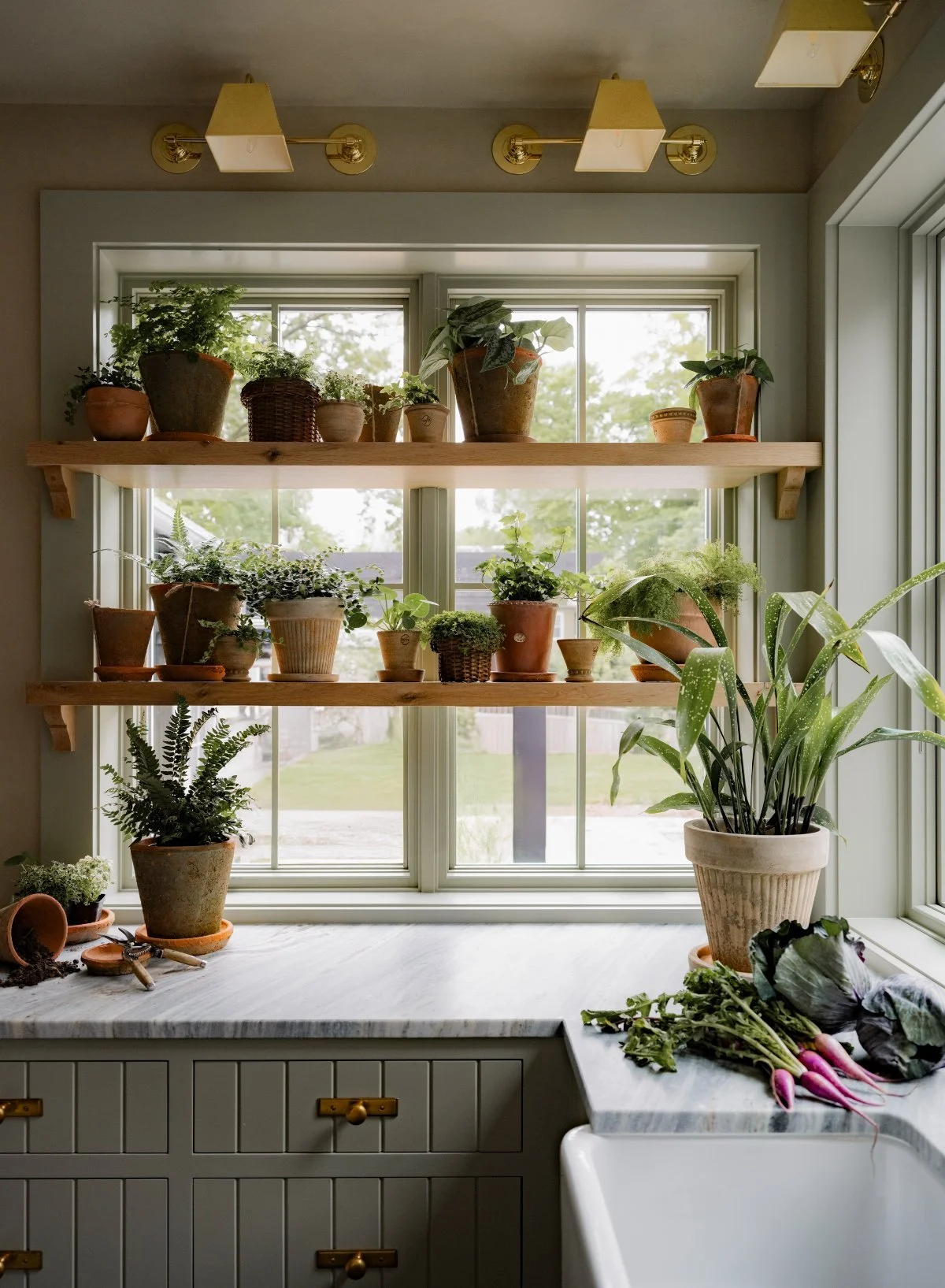
This might be my favorite part of the entire house. We used triple-pane Pella windows, continuous exterior insulation, ROCKWOOL throughout the walls, and a carefully designed floor assembly with rubber layers and sound-dampening materials.
I had never used triple-pane windows in 21 years of building, and honestly, I was more excited about what they would do for sound than energy efficiency.Before the drywall was even up, you could walk inside and feel the outside world disappear. It was almost like going underwater.
My goal was for somebody to walk 10 steps into Mysa Hus and say, "Wow, this feels different." And people did.
What About Indoor Air and Water Quality?
We wanted to be really intentional about what we were putting into the house. That meant all-electric appliances in the living spaces, limiting spray foam where possible, using natural finishes, and choosing materials with an emphasis on reducing off-gassing.
We used European white oak flooring finished with natural linseed oil, natural wool rugs, and other materials that supported the wellness story. For water, we partnered with Pentair to incorporate the Nīa whole-house reverse osmosis system, which purifies water and adds minerals back in. These aren't necessarily the things people notice first when they walk through a home, but they're the things they'll live with every single day.
Why Does Natural Light Matter So Much?
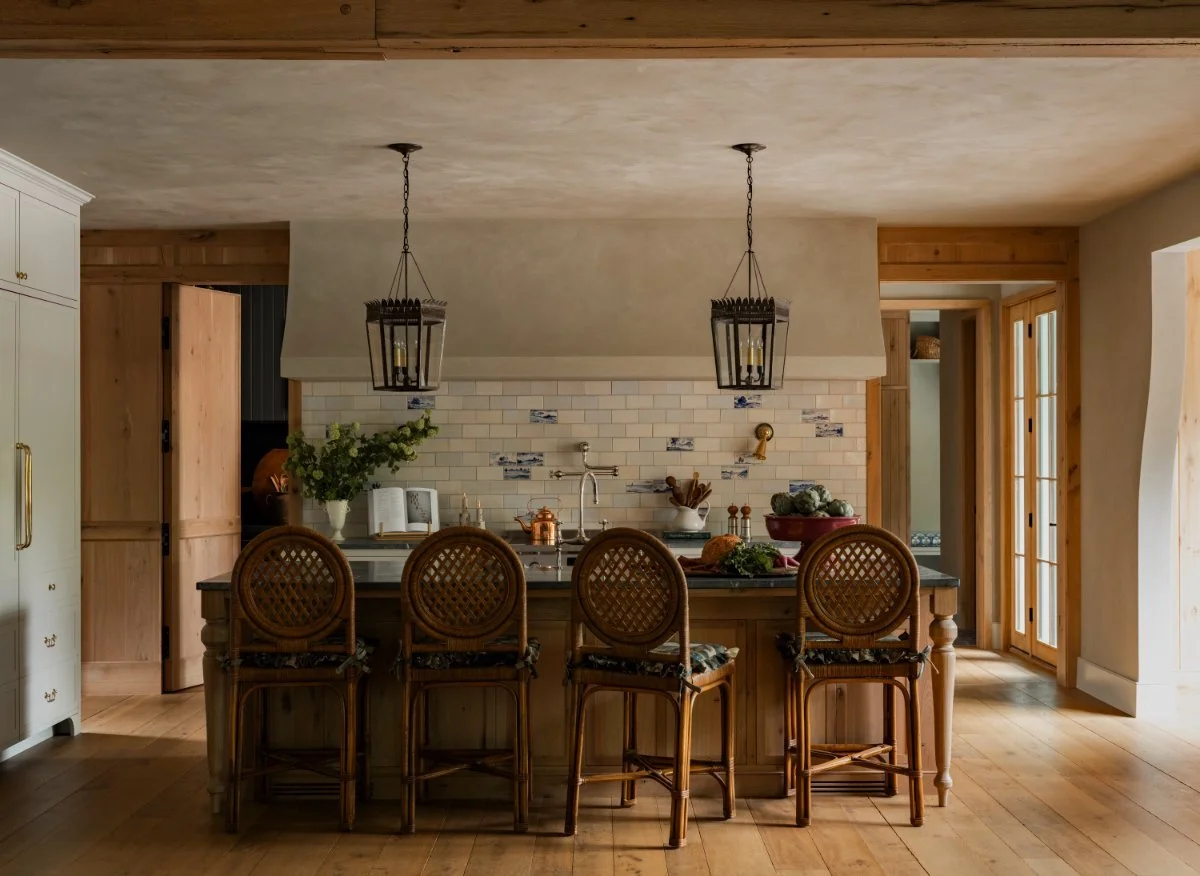
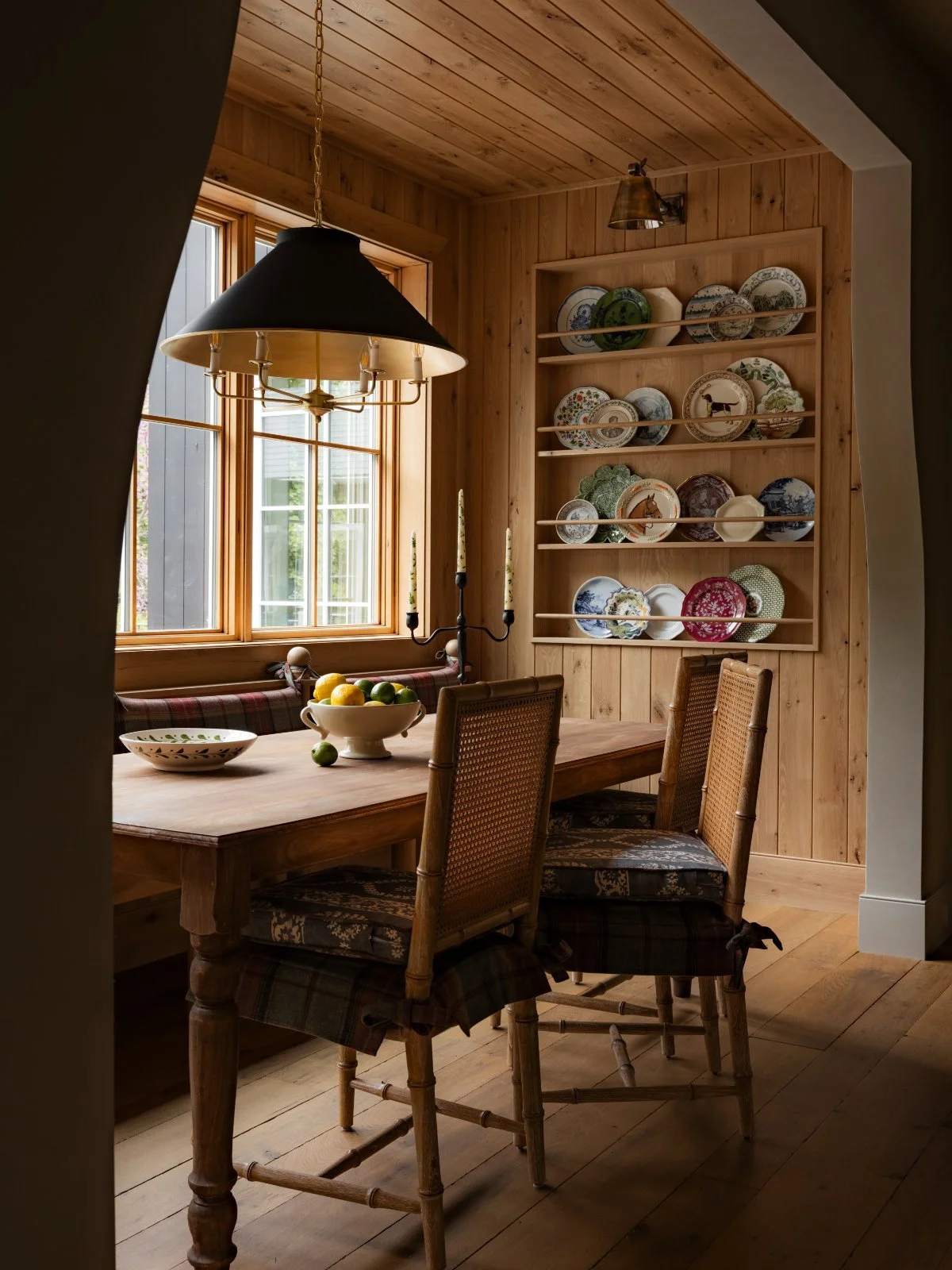
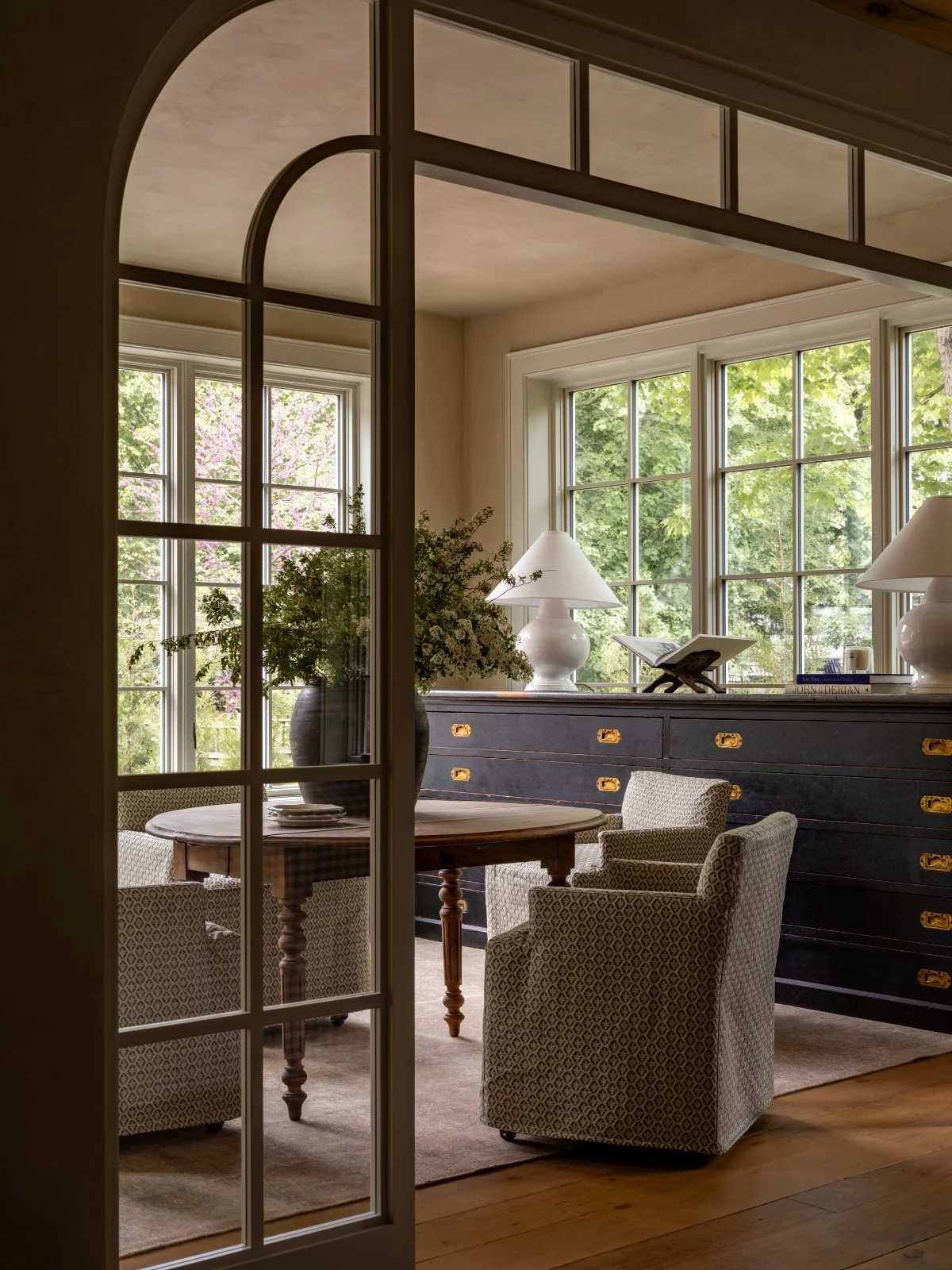
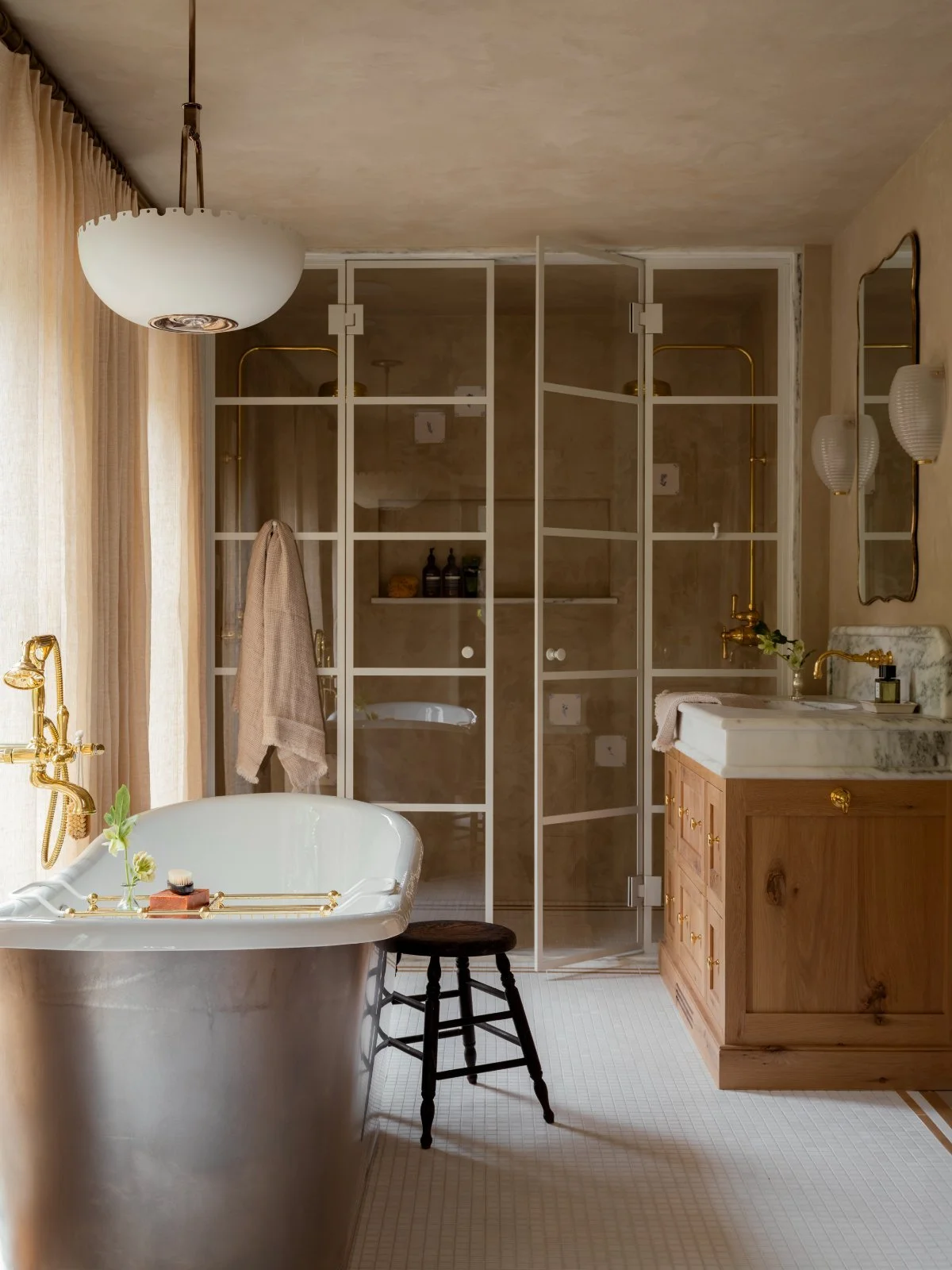
Karl did an incredible job with this. Mysa Hus has a north-south orientation, which allowed us to take advantage of southern sunlight. The staircase helps bring light through the house while maintaining privacy, and we created both a sunroom and a breakfast nook.
We even incorporated a living green roof so that, instead of looking out a bedroom window onto a flat roof, you're looking at something green. It's all about creating these little moments that make you feel good throughout the day.
Why Did We Build a Detached Wellness Studio?
This was Karl's idea, and I think it's one of the best decisions we made. He asked why the room where people exercise and take care of themselves always ends up in some dark corner of the basement. It's a pretty good question.
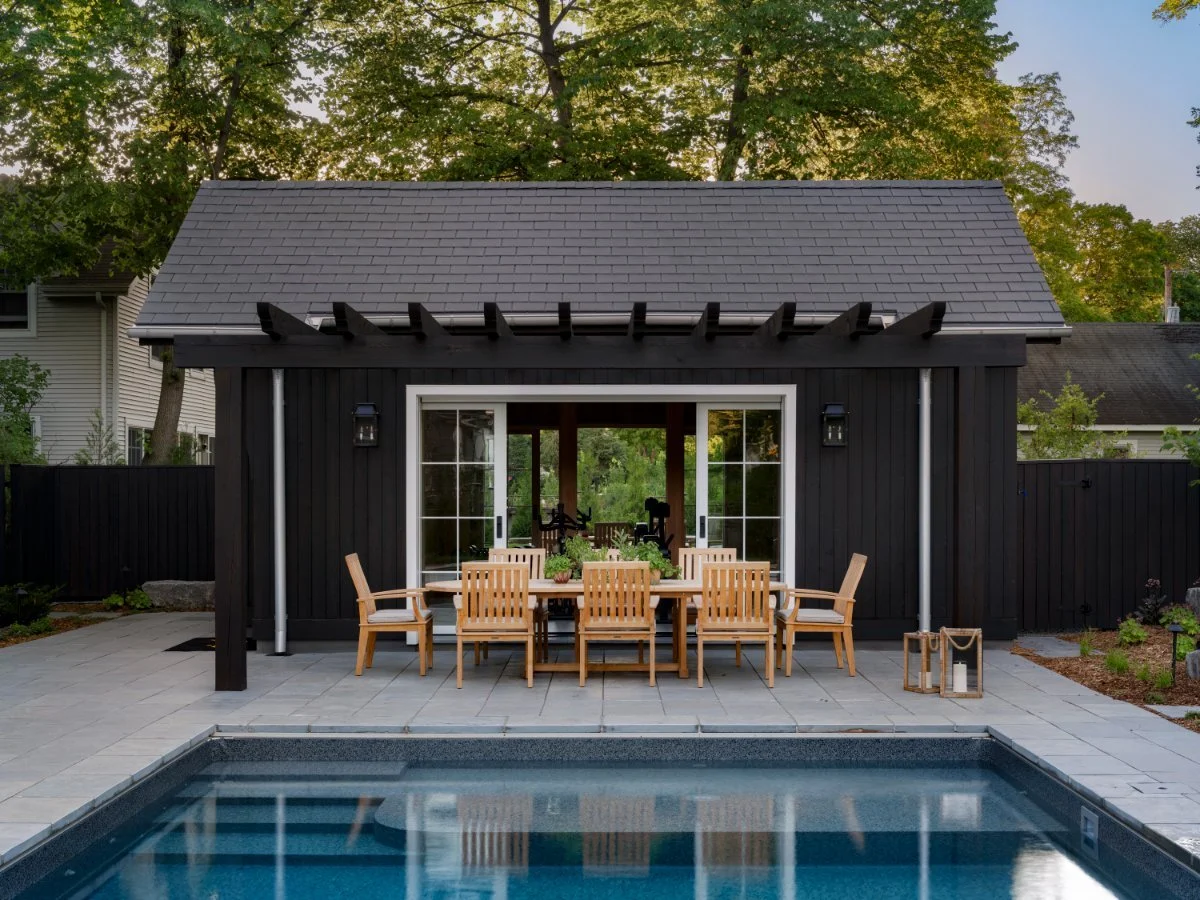
So instead, we created a detached wellness studio beside the pool, with a vaulted wood ceiling, large sliding doors, a sauna, cold plunge, and room to exercise. It's beautiful, filled with natural light, and connected to the outdoors.
But what's interesting is that when Melissa and I talked about what we could potentially remove from the project to save money, the wellness studio was one of the obvious answers. It's a significant investment. And yet, once we really talked through what Mysa Hus was supposed to be, neither of us wanted to lose it.
Because honestly, if you take away the wellness studio, you take away the soul of the house. That's when you know something is more than just an amenity.
Can a Wellness Home Still Have a Wood-Burning Fireplace?
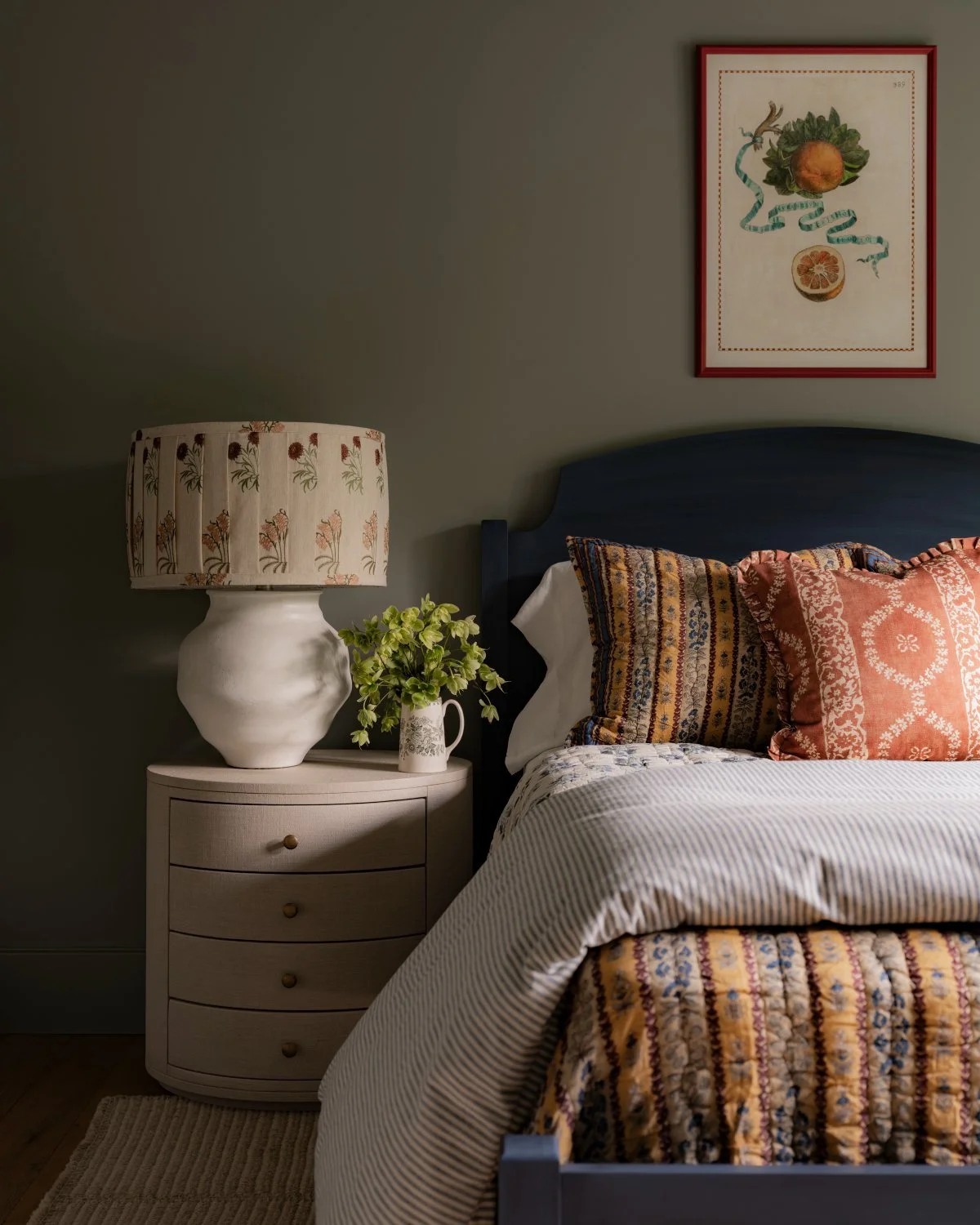
This was probably the hardest decision I made during the entire project. From an indoor air quality standpoint, a gas fireplace would have been simpler. But I really wanted a wood-burning fireplace. I went back and forth on it for months.
Eventually, Karl asked me why it mattered so much. And I started telling him this story about being a kid, my dad hauling firewood through the snow on an orange sled, and me standing by the window taking the logs and stacking them inside. Karl basically stopped me and said, "Can you hear what you're saying?" And he was right.
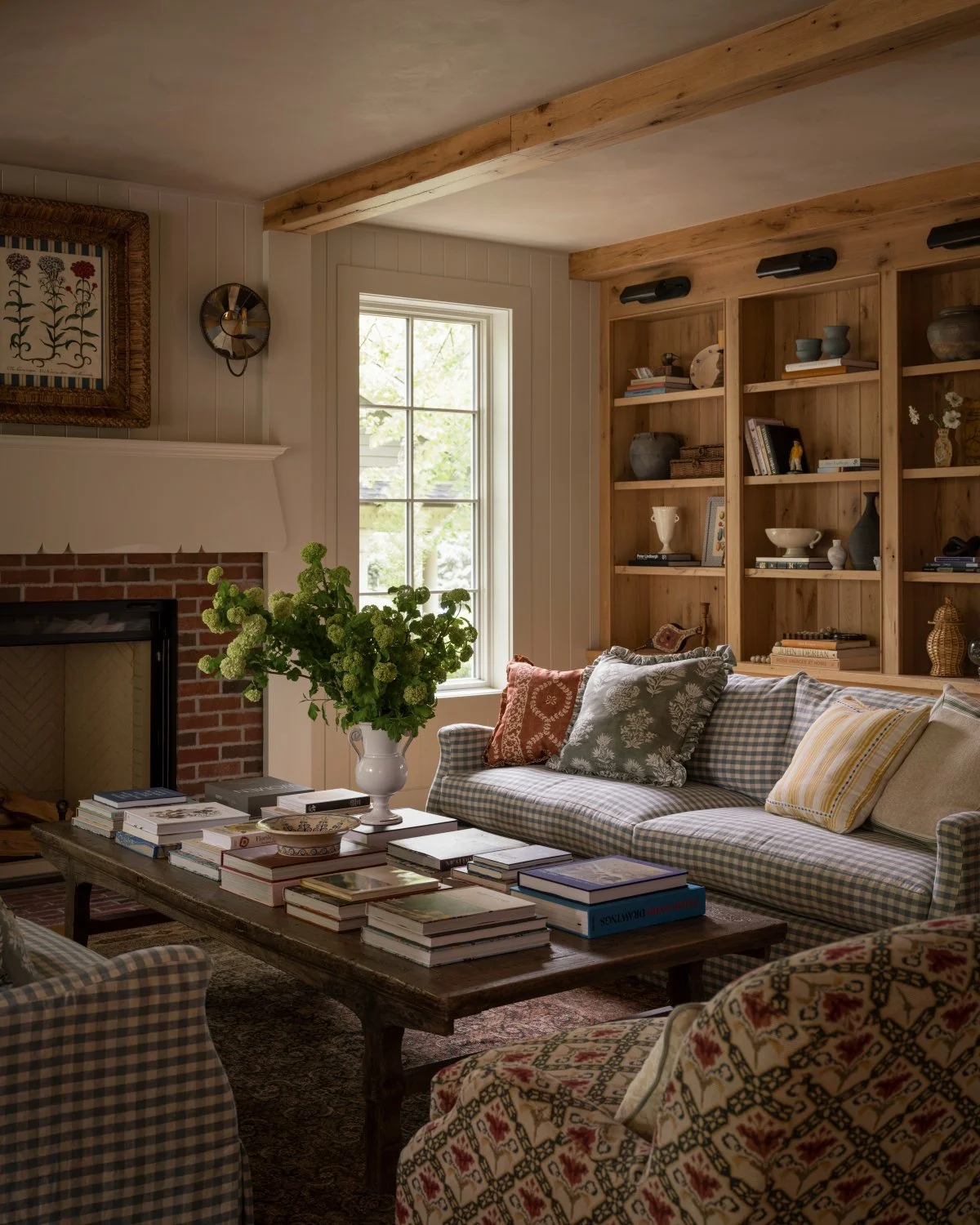
Wellness isn't just about the technical performance of a house. It's also about memories, traditions, and how a space makes you feel. So we figured out how to make the wood-burning fireplace work with a sealed glass door and a power-vent system designed to prevent smoke from backdrafting into the house. That decision really changed how I thought about the entire project.
What Did Building Mysa Hus Teach Us?
The biggest lesson is that you have to know what matters before you start making decisions. We invested heavily in things that are difficult to change later: windows, insulation, acoustics, air quality, and water systems. You can replace a light fixture in an afternoon. You can't easily go back and redesign the soundproofing between floors after the house is finished.
We also learned that bigger doesn't automatically mean better. Mysa Hus is 4,999 square feet, plus the detached wellness studio, but we intentionally kept certain bedrooms smaller and focused on spaces that encourage people to spend time together.
There's no television on the main level. Instead, we wanted to make room for books, games, conversations, and just being present. And I think that matters as much as any of the technology.
Learn more about water at Mysa Hus here!
How Has Mysa Hus Changed the Way We Build?
One of the coolest things about Mysa Hus is that it wasn't just an experiment we finished and moved on from. It's already influencing our other projects. Three of the next four homes we're building are incorporating triple-pane windows. Once clients experienced how quiet Mysa Hus felt, they started asking for that same experience.
We also had 35 brand partners help bring this vision to life, and our team of designers, architects, subcontractors, and craftspeople really pushed themselves to create something special. During the Artisan Home Tour, I loved hearing people talk about the house. Some noticed the architecture or the materials. Others couldn't quite explain what was different, they just knew they felt something. And for me, that's the whole point.
Mysa Hus taught us that when you start with how people want to feel, the design decisions become a whole lot more meaningful. And that's something we'll carry into every home we build from here.
To see more of the project, visit Mysa Hus, or connect with Mark D. Williams Custom Homes to talk about building a home around the way you want to live.