How Do Builders Get Brand Partnerships for Major Construction Projects?
Table of Contents
When we started building Mysa Hus, I knew brand partnerships could be a big part of the project. What I didn't know was just how big. Today, Mysa Hus has more than 30 brand partners, including companies like Pella, Alpine Hardwood, TOTO, ROCKWOOL, and many others.
And those partnerships have done more than help us market the house. They've given us access to incredible products, helped push the quality of the home even further, and ultimately created a better house for whoever gets to live there.
So, how do you create successful brand partnerships for a major construction project? For us, it came down to three things: have a really clear vision, make the ask incredibly simple, and only partner with brands that make the project better.
How Do You Get Brands to Partner on a Construction Project?
The clearer the ask, the easier it is for somebody to say yes. About four months before we started Mysa Hus, Melissa Oholendt and I went to the International Builders' Show. We already had commitments from some longstanding partners like Emser and Pella, but I wanted to use IBS as an opportunity to bring more companies into the project.
Before we went, we created the Mysa Hus brand and made sure the story of the home was really clear. Then I created three simple partnership tiers with different deliverables and pricing. Each tier was password protected so the experience still felt very specific and intentional for the brand. If somebody had a particular budget or need, I could create something custom. Otherwise, I could essentially say, "Here are three ways you can be involved." Our conversion rate was probably close to 90% into one of those three tiers. I'll absolutely do that again.
We learned a lot the first time around, but the biggest thing was making it easy for brands to understand exactly what Mysa Hus was, what we were asking from them, and what they would receive in return.
Should Builders Change Their Vision to Land Brand Partnerships?
No. I actually think it's the opposite. Your vision is why you get the partnership in the first place. I didn't approach companies simply because I wanted free products. We went after brands I already believed in or companies making products that genuinely fit what we were trying to accomplish with Mysa Hus.
In many cases, I probably would have used the product regardless of whether there was a partnership. Fisher & Paykel is a good example. They wanted to talk about induction, which aligned perfectly with the wellness story we were already telling through the house.
That's when these relationships really work. The project gives the brand an authentic place to showcase something they're excited about, and their product makes the project better. Don't sacrifice the vision because somebody offers you a deal. Make the vision so clear that the right companies see themselves in it.
What Do Brand Partnerships Give a Builder?
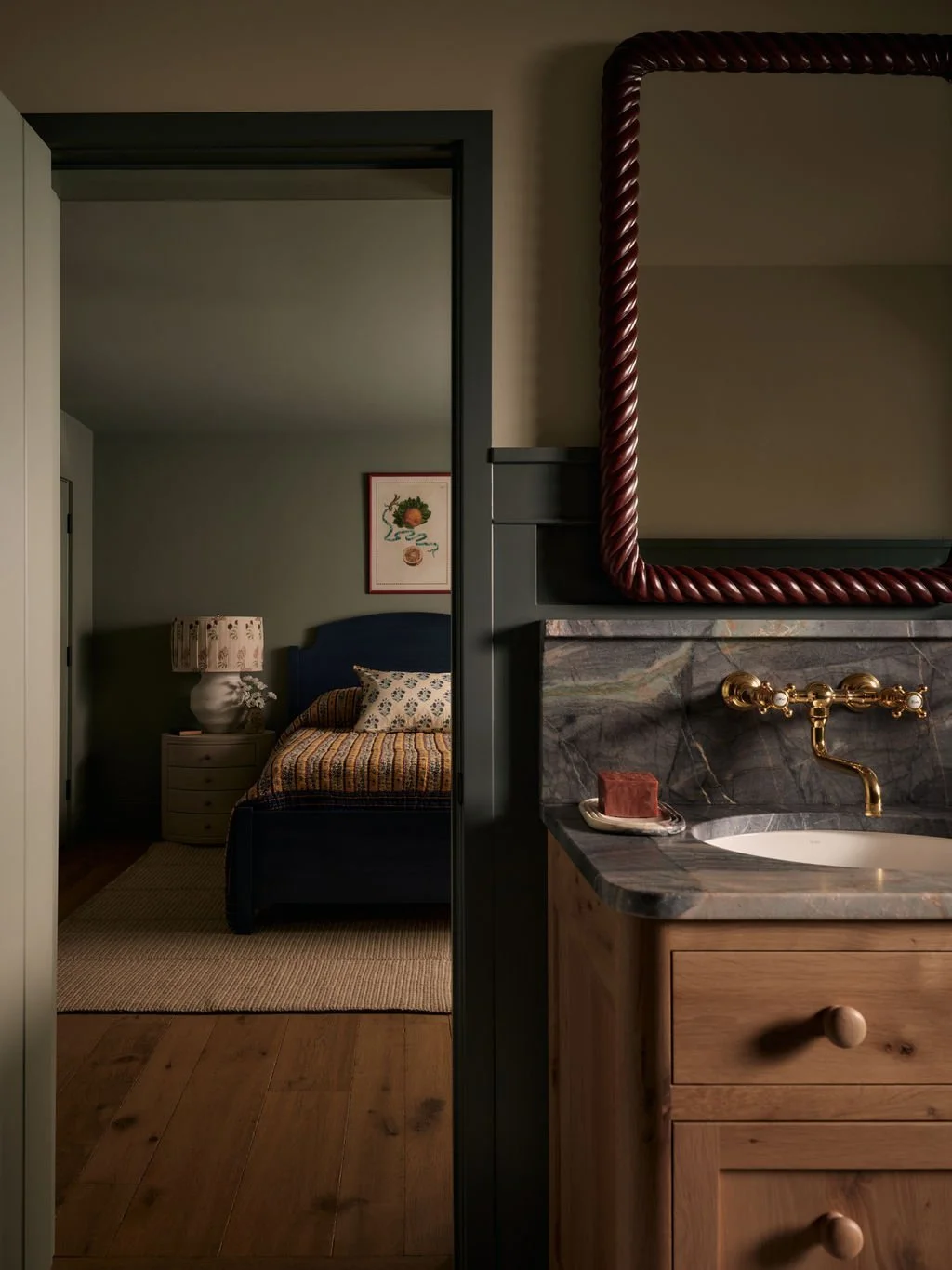
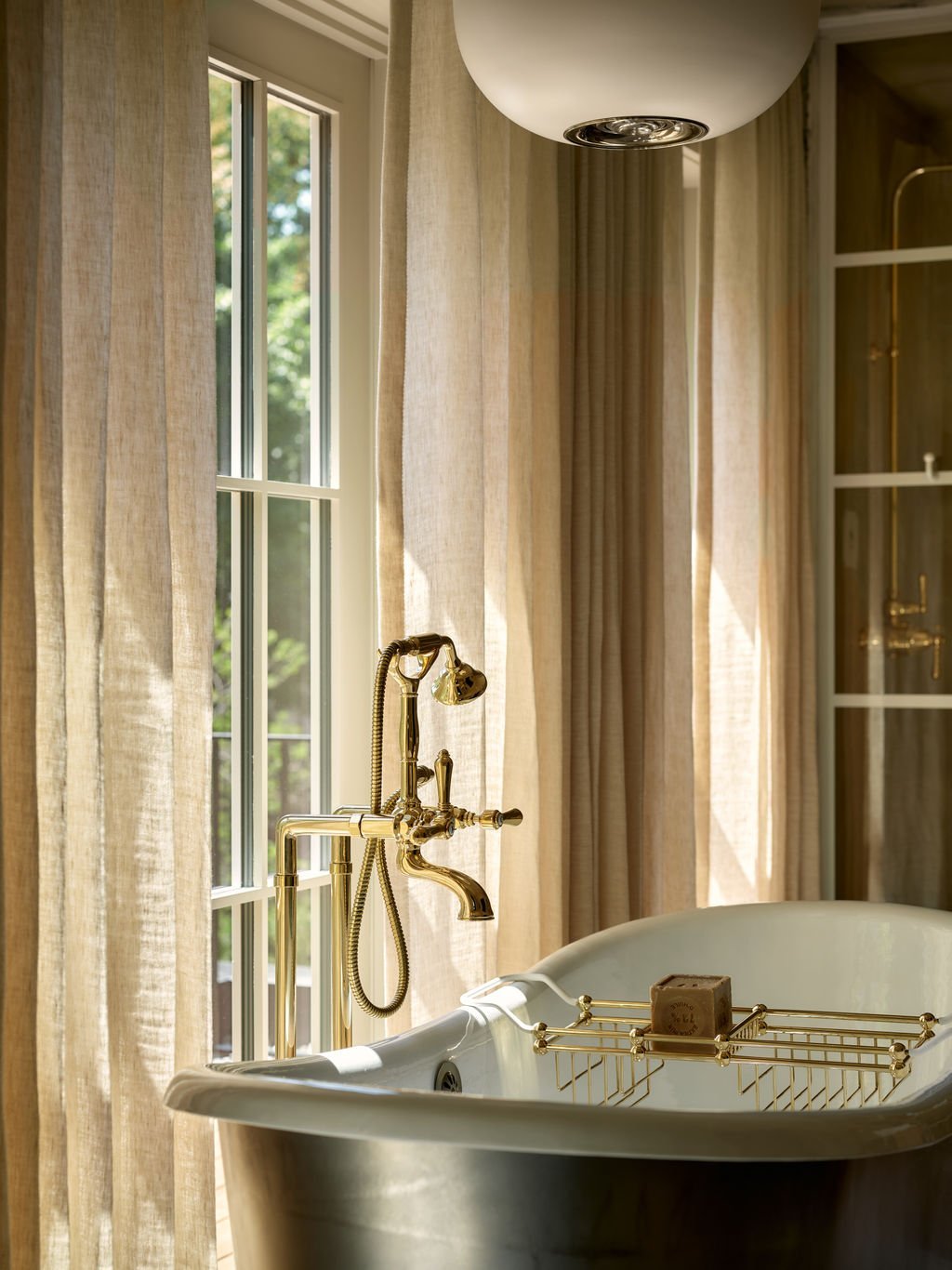
There's obviously a financial component. We received a tremendous amount of product in exchange for marketing. But what's interesting is that we essentially put that value right back into the house. If the house was already going to be an eight or a nine, a great brand partner might give us access to the product that makes it a 10.
There's also credibility that builds as the partnership network grows. It's a little like endorsements. Getting the first few companies to believe in what you're doing is the hardest part. Once you can say 10, 20, or 30 respected brands have chosen to be involved, another company can look at the project and say, "Okay, clearly something special is happening here."
There's probably a little FOMO involved too. If 30 great brands want to be part of something, nobody wants to be number 31 who missed it. Now that we've proven the concept with Mysa Hus, I think future partnerships will be much simpler. We can show brands exactly what we created and what being part of one of these projects actually looks like.
Learn more about Mysa Hus with these can’t miss podcast episodes!
Do Brand Partnerships Benefit the Homeowner?
Absolutely, and this might be my favorite part. The homeowner can end up with products they otherwise wouldn't have access to. A great example is the Everpure Nīa water purification system. Mysa Hus has one of only four in the country, and the product wasn't even commercially available yet when it became part of the house.
That's not just marketing. The eventual homeowner gets cutting-edge products, prototypes, and state-of-the-art technology that can materially improve the way the home performs and feels. That's where I think these partnerships become really powerful. The brand gets a meaningful showcase. We get to push the house further. And the homeowner gets a better finished product. Everybody wins.
What's the Biggest Lesson We Learned From Mysa Hus?
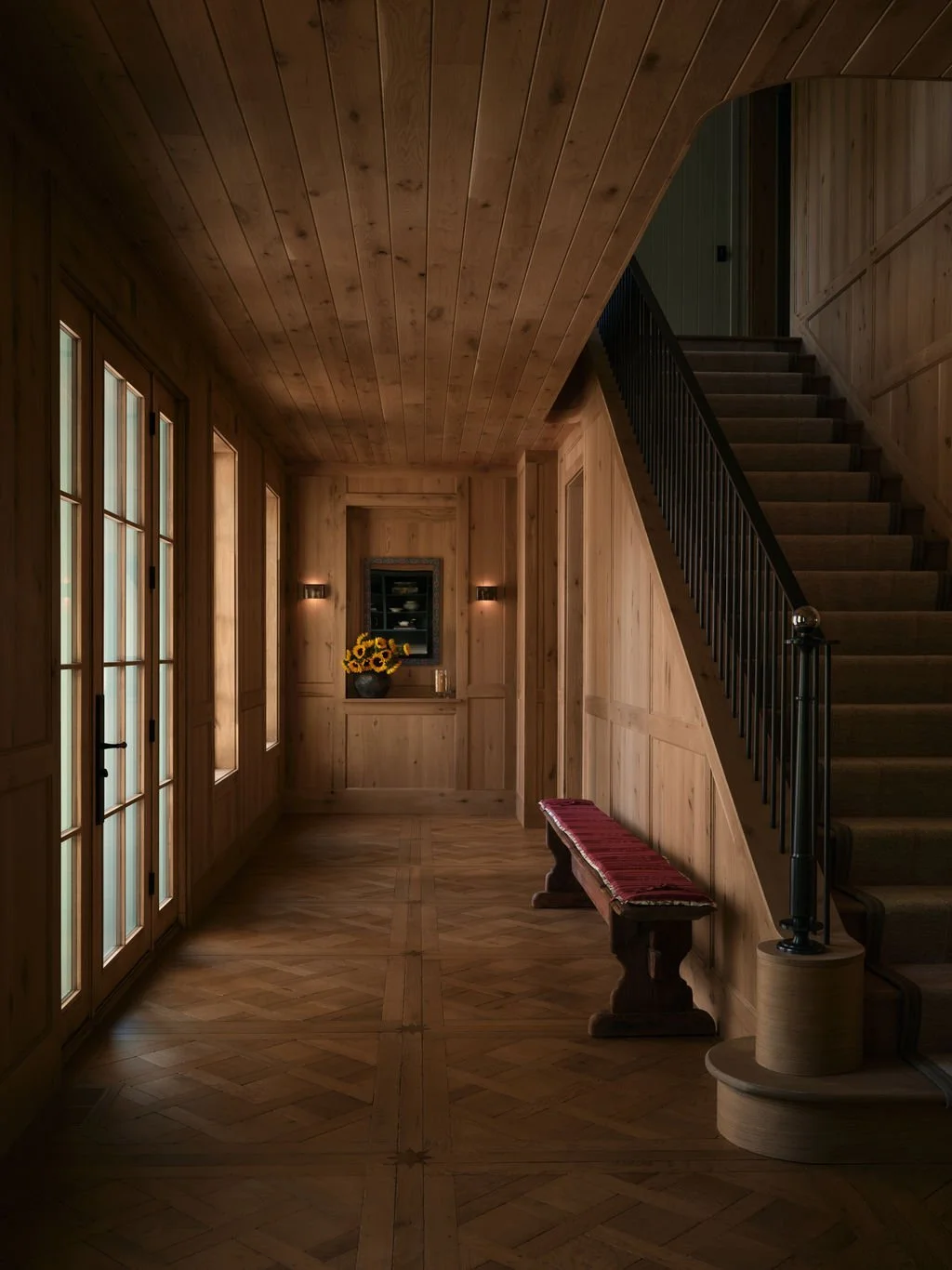
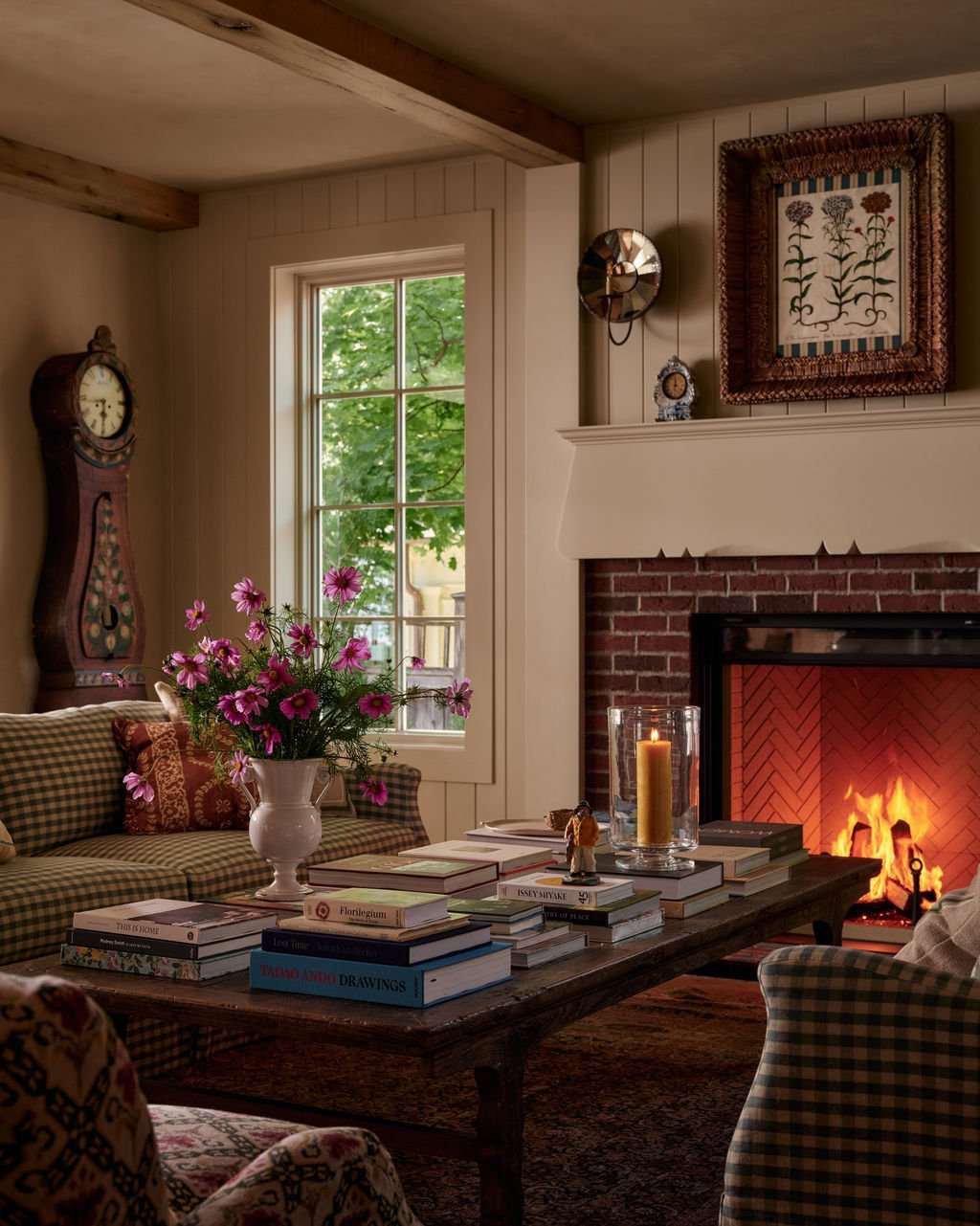
Start with the story, not the sponsorship. Mysa Hus didn't become interesting because 30 brands signed onto it. Thirty brands wanted to sign onto it because Mysa Hus was already interesting.
We knew what we wanted the house to represent. We had a clear point of view around wellness, design, craftsmanship, and what a story-driven home could be. That made it much easier to identify companies that belonged in that story.
If you're a builder considering partnerships for a model home, showcase project, or something else you're creating, that's where I'd start. Get incredibly clear on your vision. If you need to hire somebody to help you articulate it, do that. Then find companies whose products and values genuinely make sense within it.
Because the best brand partnerships shouldn't feel like logos you've added to a project. They should help you build a better one.